
Ventures

Ilias Goranitis speaking in conversation.

Translation

Evidence, built into something people use.

A method that stays in a journal does not change a decision. These are the projects where the same discipline, measuring what matters, pricing it honestly and putting it in front of the person deciding, is built into something with users rather than readers.

In development

Genomic Value

The valuation problem in genomics is now well described, and the methods to solve it exist. What does not exist is a way for a payer, a health department or a diagnostics company to run that analysis without commissioning a multi-year research programme each time.

This project explores what it would take to turn a decade of methodological work (micro-costing, preference elicitation, utility measurement, cost-benefit modelling) into something repeatable and fast enough to sit inside a real procurement or reimbursement timetable.

Early stage. More detail as it firms up.

Valuing a technology still takes longer than building one.
Live

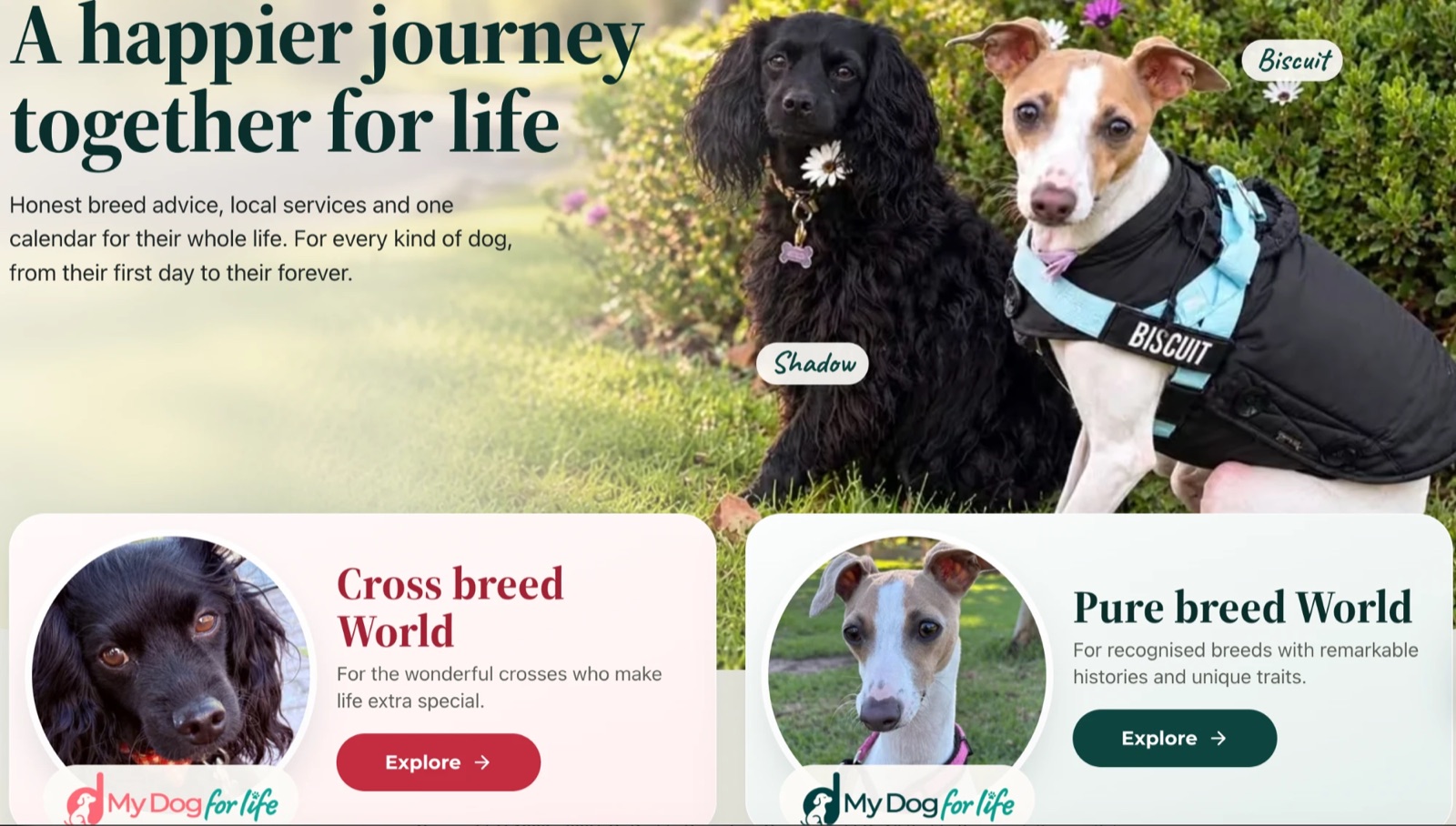
My Dog for Life

Choosing a family dog turns out to be a decision with almost no usable evidence behind it: breed folklore, seller incentives and confident strangers. The tools health economics uses for decisions under uncertainty are better than anything available to the person doing the choosing.

It is a consequential decision: fifteen years, real cost, and real welfare consequences for an animal and a household. The same tools that value a diagnostic test, eliciting what people care about, making trade-offs explicit, and matching options to preferences rather than to marketing, apply almost directly.

The platform is now built, and connects people with the information, the people and the support they need for their dog. It includes the My Dog for Life Finder, a science-based survey that uses multi-criteria decision analysis to prioritise breeds against the characteristics people genuinely value in a dog.

mydogforlife.com ↗

Ongoing

Capacity as a venture

This is the least glamorous of the translation projects, and probably the most durable. The Economics of Genomics and Precision Medicine Unit and the iHEA Special Interest Group exist because the bottleneck in this field is not method but the number of people who can apply it credibly in front of a decision-maker.

That capacity now runs to fourteen researchers, a research officer, three honorary staff members, and 130 SIG members across a dozen countries, built deliberately and built to outlast any individual grant.

Capacity is the slowest thing to build and the hardest to replace.

The pattern

Entrepreneurship isn’t a fifth research interest.

It is where the other four are tested. A method that has to hold up for a paying user, a regulator, or a commitment lasting fifteen years comes under a kind of pressure peer review does not apply.

That is the only reason these projects sit on this site at all.